

The Kashmiri diaspora, from the curry houses of Birmingham to the hipster cafes of Brooklyn, has transformed into a surprising power player in the legal and political landscape of their homeland. As Jammu and Kashmir witnesses its first elections since 2014—yep, the first ones since the notorious scrapping of Article 370 in 2019—expat Kashmiris are more involved than ever. They’re lobbying, bankrolling lawsuits, and lighting up Twitter with their takes, all while comfortably nestled in their cozy apartments far from the action. Did the locals ask for this long-distance love? Ehh, not exactly.
Long- Distance Warriors: We Can Make this Relationship Work
Gone are the days of political rallies in Srinagar or intense discussions in the Jammu and Kashmir High Court. Nope, now it all goes down on social media groups comprising friends, family, and business associates, with encryption so tight you’d think they’re discussing state secrets. As soon as Article 370 went kaput, Kashmiri expats mobilized like influencers chasing a viral TikTok trend. #Restore370 started popping up on every feed, and petitions started multiplying faster than you can say “abrogation.” All of this, mind you, is from the cushy confines of a London flat.
One notable activist group, Kashmir Civitas, even threw a complaint at the International Criminal Court (ICC), accusing the Indian government of war crimes. Spoiler alert: the ICC gave them a polite “thanks, but no thanks” due to lack of jurisdiction, but hey, at least people were talking. And that’s half the battle for the diaspora: keeping Kashmir trending.
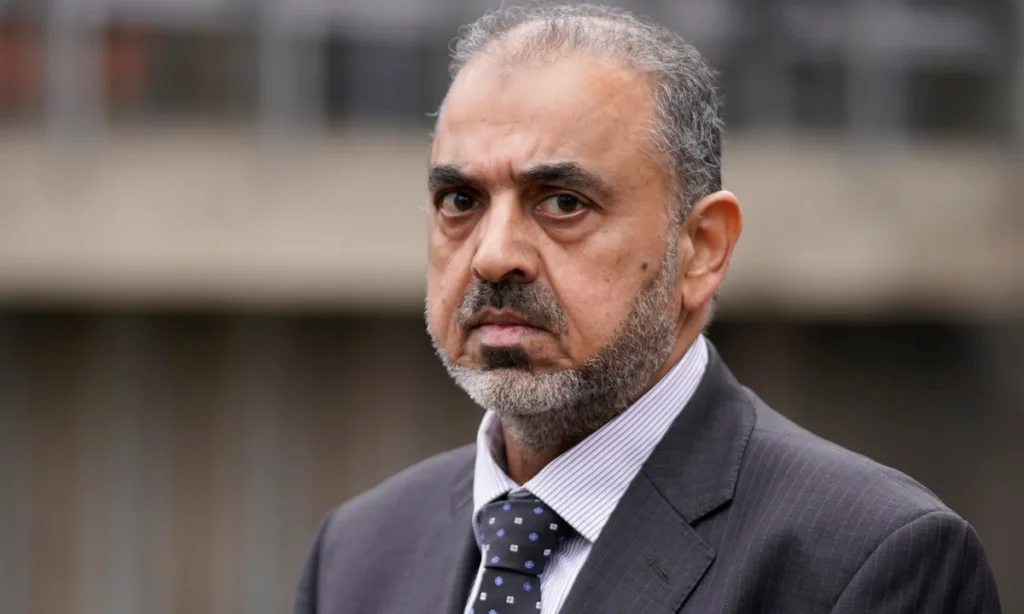
Then there’s Lord Nazir Ahmed in the UK, a Pakistani-British former member of the House of Lords, the king of making waves, despite his personal scandals (yes, multiple, including but not limited to sexual abuse). He’s used his platform to bang the Kashmir drum in Parliament, stirring up rallies and delivering fiery speeches that make it sound like Parliament is the new Coachella. He’s the epitome of a politician using their platform to spread information that may or may not be the most accurate, on Kashmir.
Meanwhile, Kashmiri scholars from prestigious universities like Harvard and SOAS are dropping op-eds faster than your Wi-Fi can load, picking apart India’s legal arguments like a law school debate on steroids. While the locals deal with curfews and crackdowns, their expat cousins are discussing constitutional clauses over mimosas at brunch in Paris. Talk about a vibe check.
Legal Mavericks: Lawsuits, Courtrooms, and Diaspora Dollars
When it comes to lawsuits, the diaspora doesn’t mess around. They’re bankrolling some of the biggest cases challenging the abrogation of Article 370, complete with legal teams flown in from the US and UK to consult on strategy. It’s like bringing a chainsaw to a butter knife fight, considering that the local communities don’t have the posh funding available to the expats, and the Indian Government looks in no rush to settle these cases anytime soon, but impressive nonetheless. And the cases aren’t just international, the diaspora dollars are funding legal battlefields on Kashmiri soil as well, such as the PDP’s 2021 lawsuit against India’s domicile laws.
Then there’s the UN Human Rights Council, where diaspora groups like the Kashmir Global Council have been busy filing reports on human rights abuses, forced disappearances, and unlawful detentions. Sure, the UN’s ability to actually do anything might be a tad questionable, but these reports still get some play in Western government circles. They’ve managed to shape diplomatic conversations and add a few extra lines to some sternly worded letters.
Still, you have to wonder: are these court cases really helping anyone on the ground, or are they just adding more drama to an already chaotic situation? While locals face unemployment and curfews, the diaspora’s in a legal boxing match, strategizing like they’re playing intercontinental chess. When you have “activism” to show on your CV, who cares about the actual state of the people on whom the activism is being practised? What do you mean perhaps they have graver concerns and more serious problems to focus on? We gave them so many court cases to fight. In reality, all these cases do is take away the limelight from the actual situation of the people on the ground, glossing over their more pedantic needs which may not be as bankable in the media, to highlight ones that are more Instagram hashtag-worthy.
Dollar Diplomats: How Diaspora Cash Fuels Politics in Kashmir
If you thought the diaspora’s influence was limited to Twitter threads, think again. Kashmiri expats have been sending home billions in remittances—$4 billion in 2020 alone. And no, this isn’t just for chai and samosas. A lot of that money goes into local businesses, real estate, and, of course, political campaigns. Who said the diasporic cash only goes towards fighting bureaucratic legal battles? For all their worth, the expats also contribute towards positive growth in the region, perhaps not totally forgetting where they came from.
As election results are analyzed, the diaspora’s financial muscle can’t be ignored. Both the People’s Democratic Party (PDP) and National Conference (NC) have gotten a fair share of love (read: money) from their overseas supporters, many of whom reminisce fondly about the pre-Article 370 days. Fundraisers in Dubai and New York aren’t just casual cocktail parties; they’re full-blown power plays to steer the political ship back home.
Take the PDP’s 2021 legal challenge against India’s domicile laws. Mehbooba Mufti, the party’s leader, openly acknowledged that diaspora dollars have been keeping their legal fight alive, even while the locals are worried about, you know, day-to-day survival.
The Political Theater: Diaspora’s Role in Upcoming Elections
As Kashmir undergoes its first elections in nearly a decade, the diaspora is torn. Some factions, especially in the UK, are calling for a boycott, arguing that voting would legitimize India’s actions. Their media outlet, Radio Free Kashmir, is all over the boycott campaign, urging Kashmiris to hold off on voting until Article 370 is restored. Want to know the truly fun fact? This outlet doesn’t even reach the people it claims to benefit, since their access to the internet tends to be shaky, and Kashmiris local to the region have bigger things to focus on in the media than yet another guilt-induced diasporic effort.
On the other hand, groups like the Kashmiri Overseas Association (KOA) in the US advocate for full participation, believing that political engagement is the only way forward. This ideological split mirrors the politics of Kashmir itself: some want immediate change, while others are playing the long game.
Silent Puppeteers or Meddling Millennials?
Love them or hate them, the Kashmiri diaspora is here to stay—at least on WhatsApp. Their activism, lawsuits, and deep pockets have turned them into silent puppeteers pulling the strings from afar. As elections near, it’s anyone’s guess whether they’re actually helping or just adding another layer to Kashmir’s already tangled mess.
One thing is for sure: as long as there’s Wi-Fi, WhatsApp, and plenty of diaspora dollars flowing back to Kashmir, this crowd isn’t going anywhere. Whether their activism will create real change or just keep stirring the pot, only time will tell. Until then, the Kashmiri diaspora remains a force to be reckoned with, sipping their lattes while waiting for the next headline.